Google Maps: Directions, Satellite, Street, Route + Location
Google Services Explained: All You Need To Know
Google: All You Need To Know About Google Maps, Directions, Satellite, Street View, Google Earth, Route, Google Mail Sign in, Google Account, and Google Location.
Google is a global technology leader known for helping people find and use information on the internet. Its mission is “to organize the world’s information and make it universally accessible and useful”. In practice, Google started as a search engine in the late 1990s and now has offices in many countries. Google serves billions of users worldwide, offering services in more than 130 languages. Its clean, easy-to-use design and fast results make it popular among students, professionals, and beginners alike. Google’s simple search page and integrated tools aim to save people time and provide reliable answers quickly.
Google isn’t just a search box. It offers many helpful tools that people use every day. For example, Google Maps lets you zoom around a map of the world and even view places in 3D. It can show you step-by-step directions to drive, walk, or take transit to your destination. Gmail (Google Mail) is a free email service with lots of storage, so you can send and receive messages from any device. All these tools (including Google Drive, Translate, and more) work with one Google Account. Because Google focuses on being user-friendly and fast, people from teens to seniors trust it for everything from school research to business and daily life tasks.
Google: What it is
Google is a big internet company best known for its search engine. A search engine is like a giant library index for the web: you type in keywords, and Google shows you websites, images, or news related to those words. Google’s goal is to help organize the world’s information and make it easy for anyone to find. Founded in 1998, Google has grown into a global technology leader. Its search page is very simple (just a box and a button), so anyone can use it even without experience. Millions of people use Google each day on computers and phones to quickly get answers, find products, or learn something new.
Google Services While on an African Safari
Exploring Africa’s wilderness on safari is an unforgettable experience, and Google can make it even more seamless and enjoyable. Before your trip, use Google Maps to study the parks, lodges, and nearby towns, helping you plan routes and know what to expect. Google Earth lets you virtually fly over safari destinations like Serengeti, Maasai Mara, or Bwindi, giving you a sense of the terrain and key landmarks. During the safari, your Google Account allows you to stay connected, check emails via Gmail, and safely save photos and notes in Google Drive, even while on the move.
On safari, Google tools help you navigate and learn in real time. Directions and Routes in Google Maps guide you from your lodge to park entrances or scenic viewpoints. Satellite and Street View views can preview roads and nearby attractions before you go. Google Location helps you track where you are, while searching for nearby services like fuel stations, restaurants, or medical facilities. Whether spotting lions in the savannah or gorillas in the forest, Google ensures you can explore Africa with confidence, stay organized, and share your adventure with family and friends instantly.
Google Maps
Google Maps is a free online map service from Google. It shows detailed maps of towns and cities around the world. You can see roads, place names, and businesses, and you can zoom in to street level or zoom out to see a whole region. Google Maps also shows satellite and aerial images, so you can see an overhead photo of the earth. It provides live traffic information and lets you search for specific places like restaurants or shops. If you need to go somewhere, Google Maps gives you directions (step-by-step route) by car, walking, biking, or public transit. Over one billion people use Google Maps every month to explore the world, plan trips, and find places.
Google Directions
Directions are the step-by-step instructions that tell you how to get from one place to another. In Google Maps and similar tools, you enter a starting point and a destination, and the map shows you the best route to take. It then lists turns or steps (e.g., “turn left onto Main Street”) so you can follow along. Google Maps’ directions can estimate travel time and distance. It will often say how many minutes it will take by walking, driving, biking, or taking the bus/train. This helps you choose the fastest or easiest way to reach your destination. With these directions, even people in a new city can find their way easily.
Google Satellite
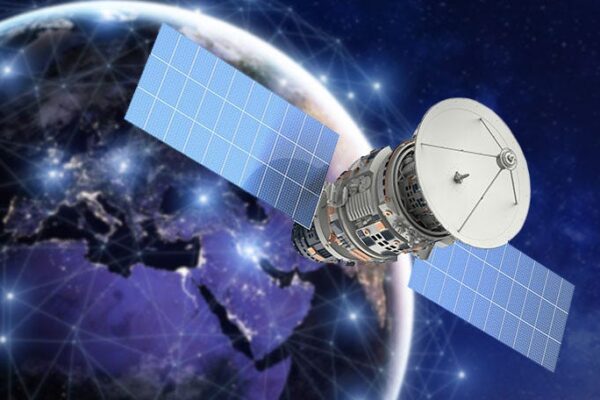
“Satellite” in Google’s mapping context means high-up images of Earth taken from space. In Google Maps or Google Earth, you can switch to satellite view to see what places look like from above. These views come from satellites orbiting the planet, or from airplanes taking aerial photographs. The satellite view shows a “bird’s-eye” picture of roads, buildings, and the landscape. This is useful if you want to see real images of an area – for example, recognizing landmarks or checking how crowded a park might look. Satellite imagery is usually updated regularly, so Google can show recent views of many cities and places.
Google Street View
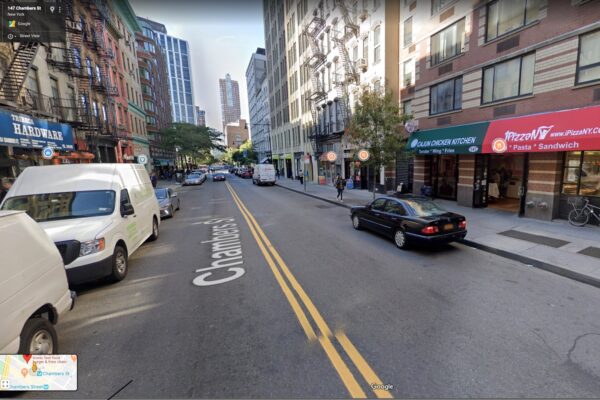
Google Street View lets you virtually walk along streets in many places around the world. When you activate Street View in Google Maps or Google Earth, you see panoramic photos taken from a car (or other vehicle) driving down the road. You can click and drag to look all around 360 degrees, as if you were standing there on the sidewalk. This interactive technology stitches together pictures to let you explore neighborhoods up close. It’s great for recognizing a location before you visit: you can see the actual storefront or house, street signs, and nearby landmarks. For example, you might use Street View to see what a bus stop or storefront looks like so it’s easier to find when you get there.
Google Earth
Google Earth is a free application that lets you explore the entire globe in 3D. It builds a virtual Earth by stitching together real satellite and aerial images onto a 3D globe. With Google Earth, you can zoom from space down to street level, see mountain ranges and cities, and even tilt the view to see terrain and 3D buildings. You can enter an address or coordinates and fly there, or use a search box to find anywhere on Earth. It’s like having a planet simulator on your computer or phone. Because it uses real imagery, Google Earth helps you visualize locations around the world, whether you’re checking out your neighborhood or exploring Antarctica.
Google Route
A route is the path you take when you travel from one place to another. In mapping tools like Google Maps, when you ask for directions, the app calculates one or more routes for you. Each route shows a series of turns and roads to follow. The chosen route will show up on the map as a highlighted path. Google often shows different routes (for example, “Route 1” vs “Route 2”) so you can pick the best one for driving, walking, or other travel. The map will also display how long each route takes and how far it is. By following the route, you can easily navigate to your destination using the suggested roads and directions.
Google Mail Sign In
Google Mail (called Gmail) is Google’s free email service. To use it, you go to the Google sign-in page (usually mail.google.com) and enter your Google Account username and password. This process is called “signing in.” After you sign in, you see your Gmail inbox where you can read, write, and manage emails. If you don’t have a Google Account yet, you must create one first. Once logged in, your Google Mail sign-in also gives you access to other Google services (like YouTube, Calendar, and Drive) without having to log in again. For new internet users, signing in is like using a single key (your Google Account) to unlock all Google apps.
Google Account
A Google Account is your personal user account for all of Google’s online services. It’s required for things like Gmail, Google Drive, and many other products. You create it by choosing an email (often ending in @gmail.com) and a password. Once you have a Google Account, you use the same login for Gmail, Google Maps, YouTube, and more. This single sign-on system means you don’t need separate accounts for each Google app. You can manage your account settings on the Google Account page. A Google Account lets you save preferences (like a map search history) and keeps your personal data secure. It is used worldwide by students, professionals, and anyone with a Google service.
Google Location
In Google’s tools, location refers to a specific place or position on the Earth. Google services often use your own device’s location to help you. For example, Google Maps will show a blue dot for “your location” on the map if you allow location services. Google can also use location information to improve services: if many people share their location data, Google can report live traffic conditions or show nearby businesses.. For instance, if you search for “coffee shops,” Google may use your location to find cafes close to you. You control location sharing on your device (you can turn it on to use maps and local search, or off if you prefer privacy). In short, Google Location features let Google know where you are so it can give you relevant local information.